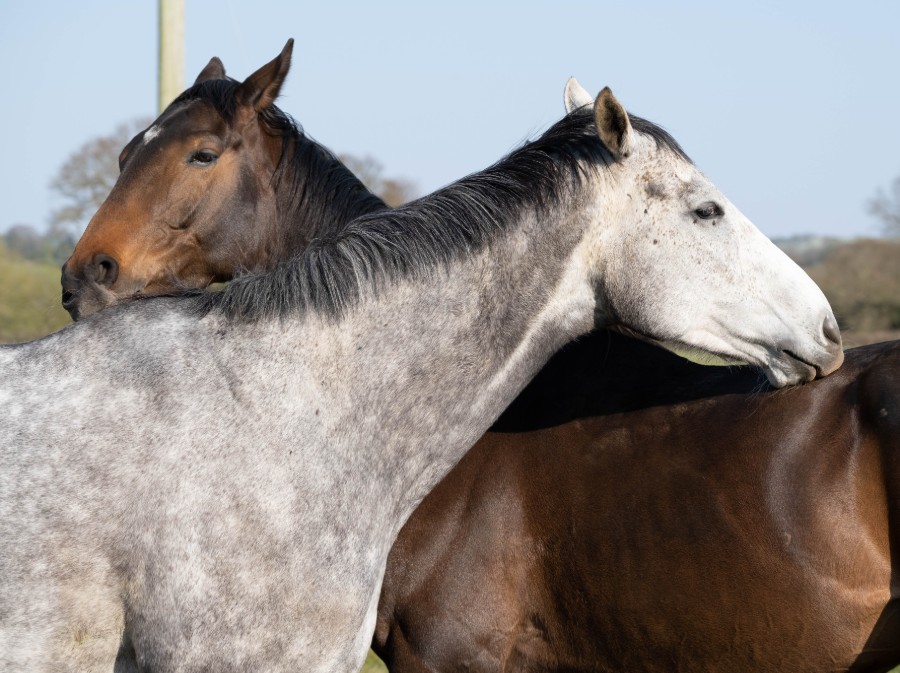
A non-ridden home
A companion horse must never be ridden, even if they appear comfortable and well in their new home. Their non-ridden status forms part of the rehoming agreement and is in place to protect their welfare.

Companion horses play a very important role by providing friendship and company for other horses. Offering one of our retired Thoroughbreds a suitable companion home can be extremely rewarding, but it is still a significant and long-term commitment.
Our companion retirees have been assessed as unsuitable to be ridden. This may be due to a previous injury, medical condition, temperament or another individual need. The reason will be explained to any prospective new owner, together with all relevant information about the horse's care and management.
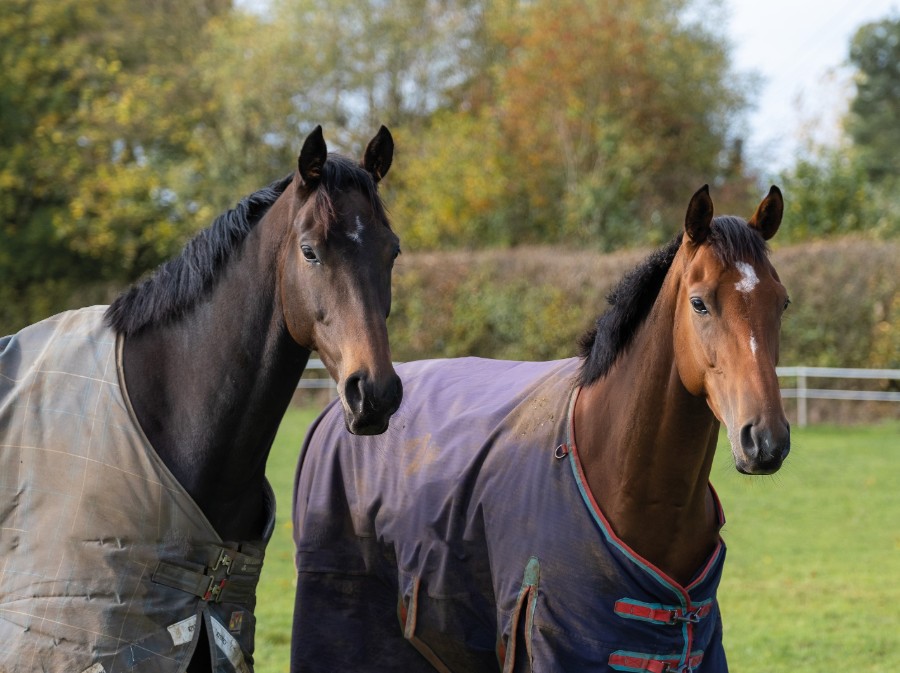
A companion horse must never be ridden, even if they appear comfortable and well in their new home. Their non-ridden status forms part of the rehoming agreement and is in place to protect their welfare.
Although they will not be ridden, companion horses require the same standard of daily care and attention as any other horse. This includes appropriate grazing and shelter, regular farrier visits, vaccinations, dental care, suitable feeding and veterinary treatment when required.
Some may also need ongoing medication or specific management relating to an existing condition.
Thoroughbreds can be sensitive to changes in their environment and routine, so a newly rehomed companion should be given plenty of time to settle.
Introductions to other horses should be managed carefully and safely, taking account of the temperament and needs of every horse involved.
Turnout arrangements, fencing, grazing and the availability of suitable company will all be considered when we assess a prospective home.
It is important to think about what would happen if the circumstances of your existing horse changed. A companion horse is not a temporary solution and should not be expected to move on simply because they are no longer needed in that role.
Before applying, you should be confident that you can make a lasting commitment to the retiree and continue meeting their needs throughout their life.
You will need sufficient knowledge and experience to recognise changes in the horse's health or behaviour and to seek professional advice when necessary.
Any sudden or unexplained change may indicate pain, illness or discomfort and should be discussed with your vet.
Our companion retirees have just as much character and affection to offer as their ridden counterparts. By providing the right care, company and a secure long-term home, you can give a retired racehorse the happy and fulfilling future they deserve.