Understanding your horse
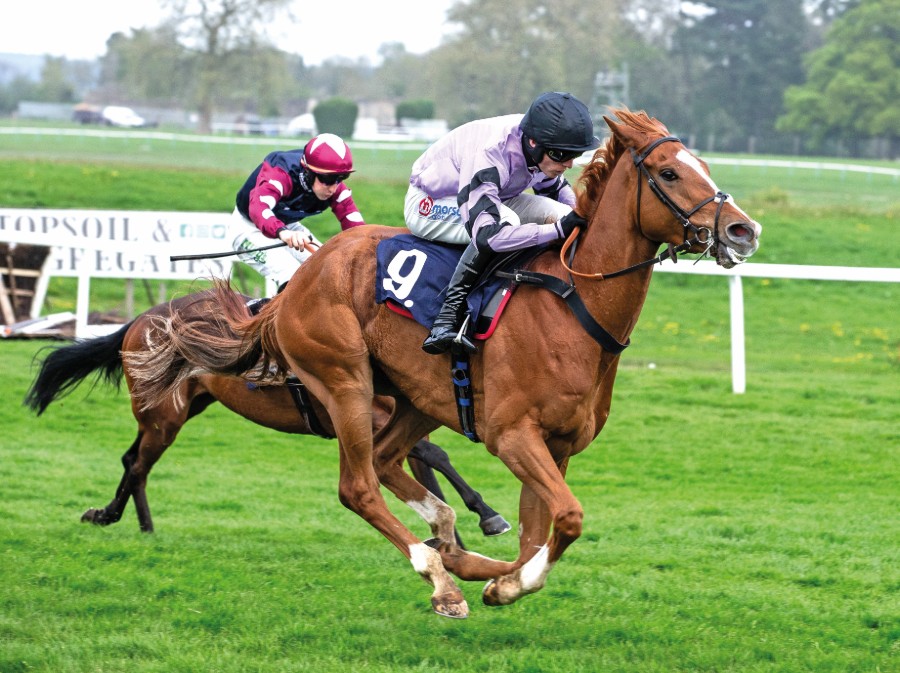
Every horse is an individual, but Thoroughbreds are often:
- Sensitive — they benefit from calm, consistent handling.
- Forward-going — their energy and enthusiasm may require confident management.
- Quick to learn — both good and unwanted habits!
- Used to routine — many are accustomed to the structure of a racing yard.
Getting to know your horse takes time. Patience and consistency will help them settle into their new home.
What does “retrained” mean?
A retrained racehorse is not necessarily a ready-made riding horse. Their education and experience will vary, and they may still need help to develop:
- Balance and strength.
- Confidence in unfamiliar situations.
- An understanding of a new discipline.
Progress will not always be straightforward. Be prepared to take a step back or adjust your plans to suit your horse.
Managing energy and behaviour
Your horse’s behaviour and energy levels can change throughout the year. Factors include:
- Grass and feeding: richer grass or changes in feed may affect energy levels.
- Turnout: reduced turnout, particularly in winter, may lead to fresher behaviour.
- Fitness and workload: changes in exercise can influence how your horse feels.
- Routine: alterations to their daily management may affect how settled they are.
As much turnout as is practical, suitable feeding, regular exercise and a consistent routine can all help.
When behaviour changes
Behaviour that appears “naughty” may sometimes reflect excess energy or increased fitness. However, sudden, unexplained or persistent changes should never simply be dismissed as disobedience.
Pain, illness, dental problems or unsuitable tack can also affect behaviour. Seek advice from an appropriate professional to investigate any concerns.
If your horse feels significantly sharper than usual, or something does not feel right, there is no failure in choosing not to ride. Asking for help early can protect the confidence of both horse and rider.
Support throughout your partnership
We work closely with experienced retraining and rehoming centres throughout the process. They provide an invaluable service in preparing horses for life after racing and getting to know their individual needs.
The retraining centre should remain your first point of contact for advice and guidance, particularly during the early stages of your partnership.
Please seek support as soon as concerns arise. Early advice can help prevent a small difficulty from becoming a larger problem.
Before you apply
Ask yourself:
- Experience: Do I have the confidence and skills to care for this horse?
- Facilities: Can I provide suitable accommodation and turnout?
- Time: Can I commit to their daily care and any ongoing education?
- Finances: Can I meet their regular costs and unexpected care needs?
- Support: Do I have access to experienced help when needed?
- Long-term commitment: Can I provide appropriate care throughout their life?
Be honest about what you can offer. Finding the right match matters more than rushing into a decision.